Services
Three layers that move your business forward: a shared, trustworthy picture of your business, the infrastructure that keeps it running, and, once that foundation is solid, the advanced analytics built on top of it.
Business Intelligence
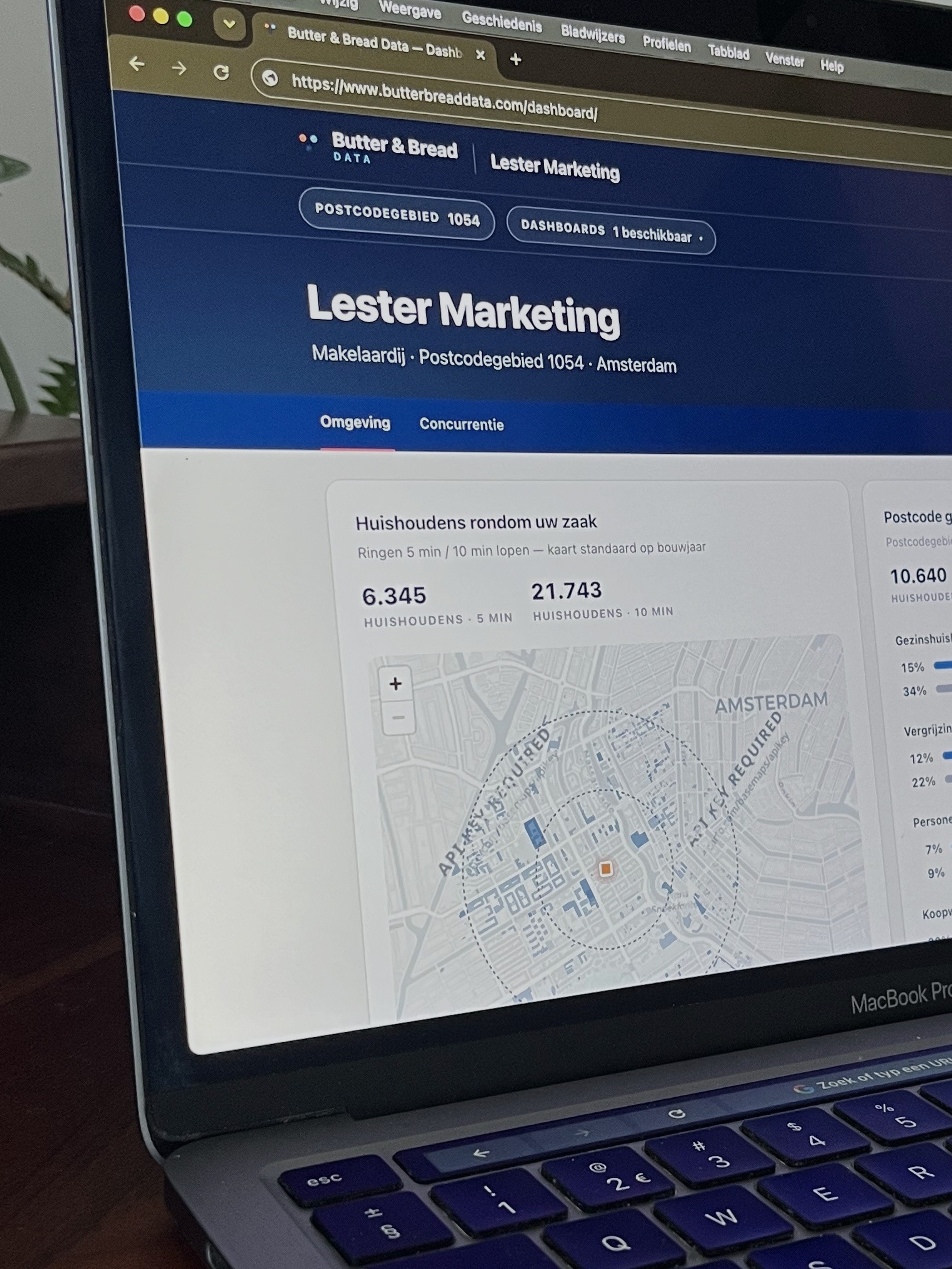
Business intelligence is about one central, shared picture of your organisation that you build on. It gives you a grip on finances and spending, surfaces product successes, or helps you manage inventory. Because these questions usually touch more than one part of the business, a shared picture everyone stands behind matters.
The process starts with the right question: aligning on strategy, understanding who needs what, and mapping a concrete plan before any pipeline gets built. The result is a picture the whole organisation trusts and builds on.
- Acting quickly on signals from the business
- One shared picture, from management to staff
- A grip on finances, inventory, and results

Analytics infrastructure
The groundwork underneath that picture: pipelines that move data reliably, a storage system that scales without ballooning in cost, software tools that are widely supported, and servers to run it on. Built on open, well-understood tools, so the next engineer who touches it doesn't have to learn a proprietary platform first.
Architecture philosophy- A modern data foundation that moves with the business
- Not locked into one engineer or vendor
- Costs that stay predictable, even as you grow
Advanced analytics
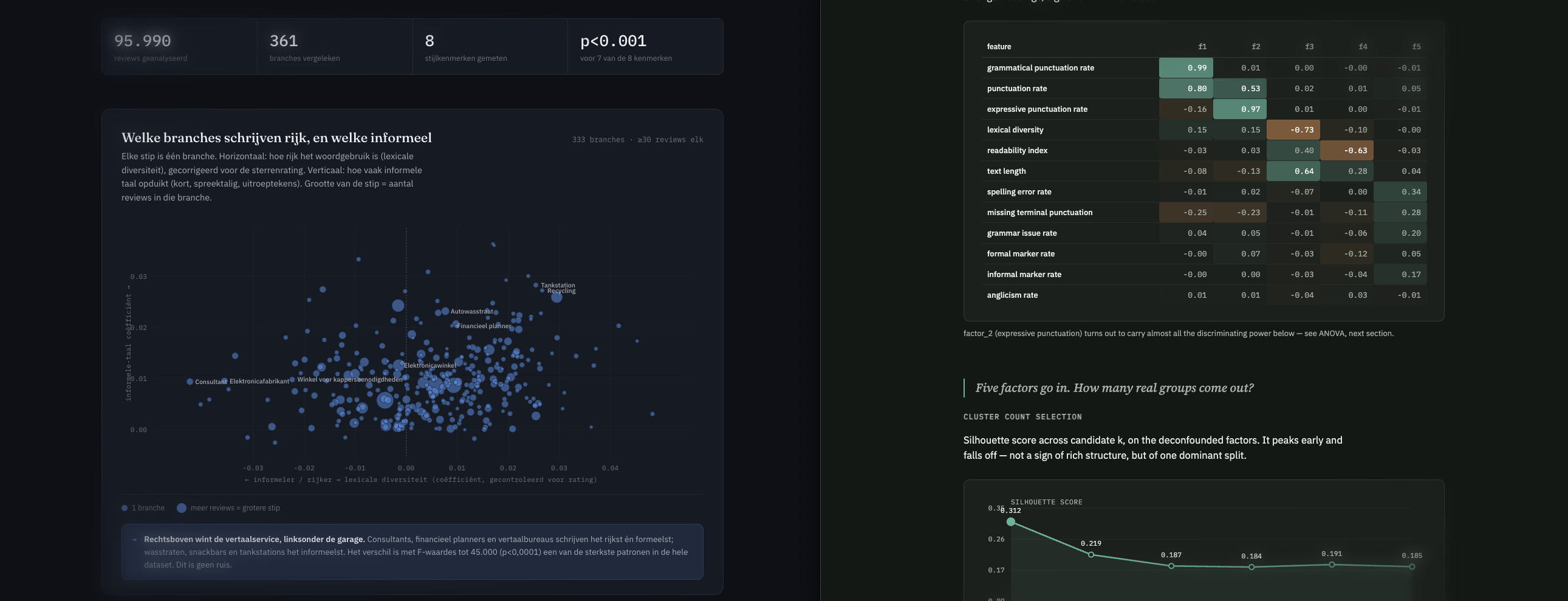
A solid foundation makes more advanced steps possible: spotting patterns, forecasting trends, and deciding faster and sharper than traditional reporting alone allows. Advanced analytics gets more out of your data by using algorithms to surface complex patterns in it. Think also of continuously analysing feedback and customer interactions at scale using large language models. The possibilities are endless.
- Looking ahead instead of only backward
- Spotting and using complex patterns
- Categorising and analysing unstructured data